
 By
By 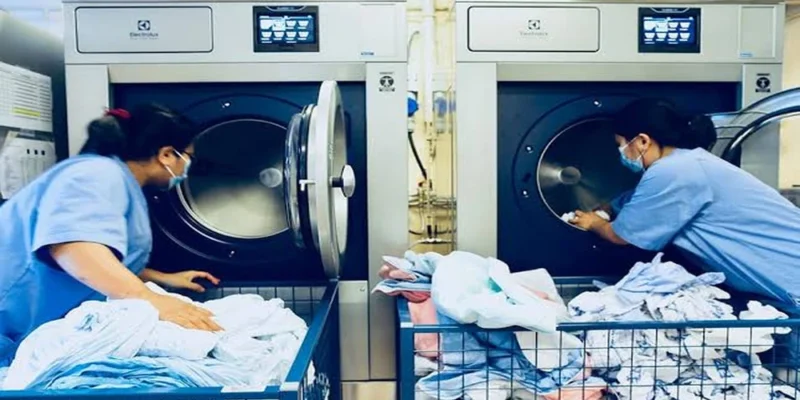
Janitorial and facility-service companies play an important role in maintaining clean, functional, and welcoming environments across offices, schools, retail spaces, industrial buildings, and commercial properties. Their daily responsibilities often extend beyond sweeping floors and sanitizing surfaces to include managing reusable cleaning cloths, microfiber mops, work uniforms, protective garments, and other essential textiles. Keeping these materials clean and ready for use requires a dependable laundry process. A well-designed laundry system helps service providers maintain consistent cleaning standards, manage operating expenses, and support the productivity of their teams.
Managing Cleaning Textiles Across Multiple Facilities
Janitorial businesses frequently work across several client locations, each with different cleaning schedules, building requirements, and hygiene expectations. Microfiber cloths used for office desks may require different handling from mop heads used in restrooms or industrial areas. Work uniforms can also collect dust, cleaning-product residues, grease, and other contaminants during regular shifts.
Separating textiles according to their use is an important part of an effective laundry routine. Materials used in restrooms or heavily contaminated areas should not be mixed indiscriminately with cloths intended for kitchens, reception areas, or office equipment. Following established color-coding procedures and handling guidelines can help employees identify the correct textiles for specific cleaning tasks.
Laundry collection also needs careful coordination. Companies servicing multiple buildings may accumulate substantial quantities of used materials throughout the day. Clearly labeled bags or containers make it easier to identify where items originated and prevent clean supplies from becoming mixed with used textiles. Establishing consistent collection and return schedules helps teams receive the materials they need before beginning their next shift.
Laundry for janitorial businesses should also account for the condition of reusable cleaning products. Microfiber materials, in particular, can lose effectiveness when washed with unsuitable detergents, fabric softeners, or excessive heat. Following manufacturer recommendations helps preserve their ability to collect dust and absorb moisture. Inspecting items regularly allows businesses to remove damaged cloths, worn mop heads, and uniforms that no longer provide appropriate performance.
Choosing Between In-House Washing and Outsourced Processing
The right laundry arrangement depends on the size of the business, the number of locations served, and the volume of reusable textiles generated each week. Smaller cleaning companies may manage limited loads internally, provided they have suitable equipment, enough space, and procedures for handling different textile categories. However, as contracts expand, the demands of washing, drying, folding, and distributing supplies can become increasingly difficult to manage alongside regular cleaning operations.
In-house processing offers direct control over schedules and textile availability, but it also requires equipment maintenance, water and energy consumption, detergent purchases, and employee time. Machines may become a bottleneck when several client locations require fresh supplies simultaneously.
Outsourcing laundry can provide additional capacity without requiring a business to invest in larger washing equipment or dedicate substantial staff time to textile processing. Professional facilities may be equipped to handle recurring commercial loads and establish scheduled collections. Before selecting a provider, managers should evaluate turnaround times, pricing structures, handling procedures, and the ability to accommodate changes in workload.
Cleaning companies should also consider how laundry arrangements affect transportation and storage. Deliveries need to reach the correct locations, while clean textiles must remain protected until they are distributed to employees. A centralized inventory system can help managers allocate supplies efficiently and reduce the risk of shortages at individual client sites.
Improving Hygiene, Efficiency, and Long-Term Cost Control
Reliable laundry procedures contribute to the overall quality of facility maintenance. Reusable cloths and mop heads should be cleaned according to their intended application and the substances they encounter. Items exposed to hazardous chemicals, infectious materials, or other high-risk contaminants may require specialized handling rather than routine commercial washing. Businesses should follow relevant safety guidance, product instructions, and applicable regulations.
Cost control also depends on reducing unnecessary textile losses. Tracking the quantity of items issued, returned, damaged, and replaced can reveal recurring problems. Maintaining adequate inventory prevents employees from extending the use of soiled materials simply because clean alternatives are unavailable.
Staff training is equally valuable. Employees should understand how to separate used textiles, avoid mixing incompatible materials, and store clean supplies correctly. Consistent procedures across client locations make it easier to maintain service standards as the business grows.
Ultimately, efficient laundry management is an essential operational consideration for janitorial and facility-service companies. By organizing textile collection, protecting reusable materials, and choosing suitable processing arrangements, businesses can reduce avoidable costs and keep their teams properly supplied. A dependable approach to laundry for janitorial businesses supports cleaner facilities, more efficient workflows, and consistent service delivery across every location.








Comments