
 By
By 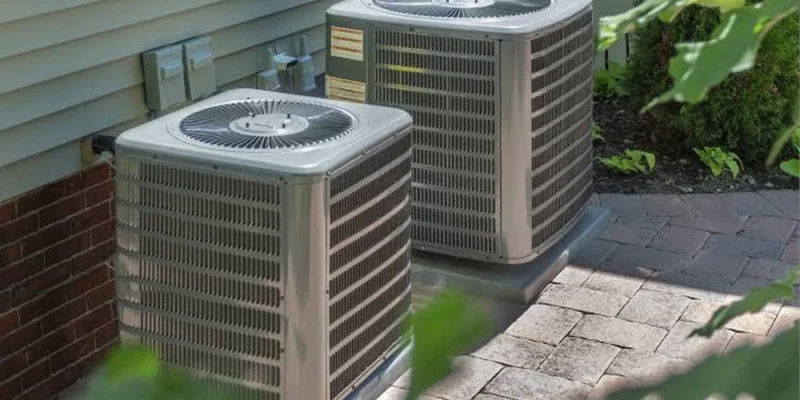
Indoor climate control systems do far more than shift temperature readings on a wall thermostat. Modern residential environments require a balanced combination of accurate airflow velocity, precise relative humidity control, and balanced static pressure across every supply register. When one component fails to operate within factory specifications, indoor spaces become uncomfortable, humid, or noisy. You will examine how certified professionals diagnose and resolve hidden HVAC mechanical issues.
Persistent room temperature variances often stem from improper air distribution or severe duct leakage hidden inside attic spaces. Standard DIY adjustments rarely resolve systemic thermal imbalances across multiple floors or distant bedrooms. Consulting experienced specialists for AC repair Swainsboro guarantees that subtle duct leaks, restricted return grilles, and incorrect blower speeds are corrected systematically, restoring steady airflow and reliable cooling throughout your home.
Resolving Thermal Imbalances and Airflow Bottlenecks
Uneven heating or cooling across different rooms usually points to ductwork design flaws or incorrect static pressure balances. Standard flexible ducts easily crush, sag, or pull away from distribution plenums over time, drastically reducing airflow velocity to specific registers. Certified technicians use digital manometers to measure total external static pressure, pinpointing exact structural bottlenecks without tearing down ceiling drywall or removing healthy duct runs.
Correcting duct airflow issues often involves installing manual balancing dampers or adjusting variable-speed blower motor taps. When air handler fans move the exact cubic feet per minute required for your home’s square footage, thermal stratification disappears. Proper air velocity ensures that conditioned air reaches outer walls and upper levels, maintaining uniform indoor temperatures regardless of extreme outdoor weather conditions.
Enlisting a licensed contractor for AC repair Swainsboro allows homeowners to catch hidden duct insulation failures and unsealed supply boots early. Technicians seal connection seams using professional-grade mastic sealant rather than temporary duct tape, preventing conditioned air from escaping into unconditioned crawl spaces. Proper duct sealing stabilizes system pressure, lowers monthly energy bills, and delivers consistent indoor comfort to every room.
Managing Indoor Humidity and Moisture Removal
High indoor humidity levels make living spaces feel sticky, muggy, and significantly warmer than the actual thermostat setting reflects. Air conditioners remove moisture as warm air passes across cold evaporator coils, turning water vapor into liquid condensate. If a system is oversized, it cools air too quickly without running long enough to extract latent moisture, leaving air uncomfortably damp.
Certified specialists address elevated humidity issues by recalibrating blower speeds or integrating dedicated whole-house dehumidification hardware. Lowering fan speeds slightly increases contact time between indoor air and cold evaporator fins, maximizing moisture extraction during standard cooling cycles. Balanced relative humidity prevents mold growth on drywall surfaces, protects wooden furniture, and allows homeowners to set thermostats higher while enjoying superior comfort.
Common Root Causes of Equipment Failure
Recognizing the physical causes behind mechanical failures helps homeowners take action before sudden breakdowns occur. Systematic troubleshooting identifies hidden component wear before total cooling loss strikes. Certified HVAC professionals focus on resolving these common mechanical and operational failure points during service evaluations:
- Short-cycling caused by oversized cooling capacity, faulty thermostat sensors, or restricted return airflow.
- Frozen evaporator coils resulting from low refrigerant charge, dirty air filters, or clogged blower wheels.
- High head pressure triggered by dirty condenser coils, failing fan motors, or blocked outdoor cabinets.
- Burnt contactor points and bulging dual-run capacitors caused by voltage fluctuations and extreme heat.
- Water leaks into living spaces from clogged condensate lines, cracked drain pans, or failed float switches.
Advanced Diagnostic Methods and Precision Controls
Modern diagnostic evaluations rely on precise digital tools rather than basic visual checks or standard pressure gauges. Technicians evaluate subcooling and superheat levels to measure exact refrigerant charges inside copper lines. Precise refrigerant levels ensure maximum heat absorption without straining compressor valves, extending the physical operational lifespan of heavy outdoor machinery under high summer thermal loads.
Upgrading to smart thermostats and multi-zone control boards allows precise temperature management across distinct living zones. Electronic zoning dampers route conditioned air exclusively to occupied spaces, reducing operational wear on central heating and cooling units. Professional control calibration prevents short-cycling, lowers electrical demand spikes, and creates a quieter, more responsive indoor environment customized to your daily schedule.
Addressing underlying indoor comfort problems requires looking beyond basic thermostat settings to analyze complete system mechanics. Professional static pressure testing, precise humidity control, and accurate refrigerant calibration transform unreliable HVAC performance into consistent, low-cost home comfort. Partnering with certified technical specialists guarantees that your heating and cooling equipment operates safely, efficiently, and dependably through every season.
Restore Indoor Comfort
Resolving persistent indoor comfort issues requires expert diagnostic evaluation, accurate airflow balancing, and precise mechanical calibration. Addressing hidden duct leaks, high humidity levels, and electrical component wear stops recurring system failures before they disrupt your daily routine. Take charge of your home’s indoor environment today by scheduling a comprehensive system evaluation with a certified technician to restore quiet, reliable cooling performance.
======================================================







Comments