
 By
By 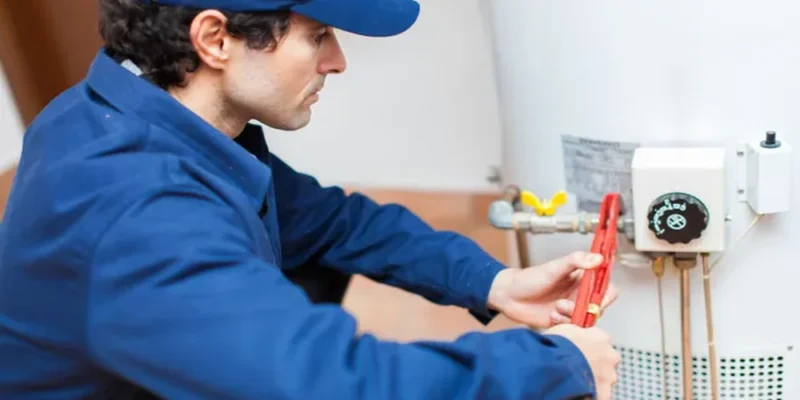
Hot water supports showers, laundry, dishes, and routine cleanup. When a heater starts to fail, the clues may appear slowly or without much warning. Homeowners with an older unit, repeated repairs, or weak hot water should consider a professional review. This article explains when replacement may make more sense than another repair.
Spot the Main Signs in Colorado Springs
Water near the base, odd noises, and lukewarm output can point to a serious fault. A water heater replacement in Colorado Springs may deserve review when these problems return after service. Slow heat recovery can also suggest wear inside the tank or its parts. A plumber can test the unit and identify the probable cause.
Some faults involve a valve, thermostat, or other replaceable part. Tank leaks, deep corrosion, or broad internal damage may call for a new unit. Homes in Colorado Springs may also develop mineral deposits within the system.
Check the Unit’s Age and History
The source page states that a home water heater may last about 11 to 20 years. The exact service life depends on its model, use, upkeep, and condition. Age alone does not prove that replacement is due. It becomes more useful when reviewed with repair history and recent performance.
| Unit Condition | What It May Suggest | Practical Next Step |
|---|---|---|
| Newer unit with one minor fault | A limited part may need service | Request a repair assessment |
| Midlife unit with slower recovery | Sediment or worn parts may affect output | Compare repair cost with remaining life |
| Older unit with repeat service calls | Reliability may continue to decline | Review replacement options |
| Tank with corrosion or an active leak | Internal damage may be present | Arrange prompt professional inspection |
| Age cannot be confirmed | Service history may be incomplete | Check the serial number or installation record |
For a property in Colorado Springs, past invoices can reveal a pattern of repeat trouble. The serial number or installation record may also confirm the unit’s age. These details help place each repair in context.
Pay Attention to Hot Water Changes
A sound system should supply enough hot water for normal household use. Long waits, sudden temperature shifts, or tepid water can indicate reduced performance. Sediment, worn parts, or burner faults may cause these symptoms. Prompt evaluation can prevent a complete loss of hot water.
Signs that deserve attention include:
- Moisture near the tank or connected pipes
- Popping, rumbling, or other unusual sounds
- Hot water that runs out too soon
- Rust-colored water from hot faucets
Compare Repair Cost With System Value
Repair may be practical when the heater is fairly new, and the fault is limited. The choice becomes harder after repeat breakdowns or a serious tank leak. Homeowners in Colorado Springs can compare the repair price with the likely service life afterward. Another low-cost fix has limited value when the next failure seems close.
A water heater replacement in Colorado Springs may also reduce waste from an inefficient old unit. Available choices can include conventional tanks, tankless heaters, and hybrid models. Household demand, fuel type, available space, and budget should guide the selection. Any savings estimate should match the exact model and property setup.
Plan Before the Heater Stops
A planned replacement allows time to review size, warranty, fuel needs, and installation details. It may also prevent an abrupt loss of hot water. For households in Colorado Springs, early action can be useful after several warning signs appear. A plumber can explain vent, drain, code, and connection needs.
Service records, repair costs, leaks, and output changes offer a clearer picture. Owners can use that record to judge the system as a whole. This approach may help improve budget control and reduce household disruption.
No single clue decides the fate of a water heater. Age, leaks, strange sounds, poor output, and repeat faults carry more weight when they appear together. A professional assessment in Colorado Springs can confirm if a repair still has practical value. Replacement becomes reasonable when the system can no longer deliver reliable service at a sensible cost.







Comments