
 By
By 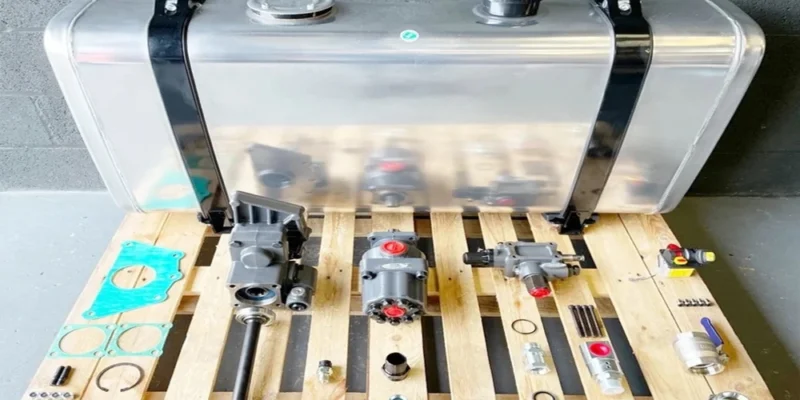
Hydraulic equipment is at the heart of many working trucks.
Tippers, walking-floor trailers, hook loaders and other specialist commercial vehicles all rely on hydraulic power to carry out their daily work. When a new system is being installed or an existing setup is being replaced, choosing compatible components is essential.
Two areas that deserve particular attention are the hydraulic wet kit and the power take-off, commonly known as the PTO.
Getting these elements right helps the system operate efficiently and reduces the likelihood of costly problems once the truck is back in service.
What Does a Hydraulic Tipping Kit Do?
A tipping kit provides the hydraulic power needed to operate a tipping body or trailer.
The system will normally include components such as a hydraulic oil tank, pump, valves, hoses and the necessary connections.
Different applications place different demands on the hydraulic system, so the correct specification depends on the type of work the truck performs.
Operators looking at Hydraulic Tipping Kits for trucks should consider the required oil capacity, operating pressure, flow rate and intended application before choosing a kit.
A system designed for occasional light-duty use may not be suitable for a truck carrying out demanding tipping work throughout the day.
The PTO Provides the Power
The hydraulic system needs a reliable way of taking power from the truck’s transmission.
This is the role of the PTO.
A PTO connects to the gearbox and transfers mechanical power to the hydraulic pump when the equipment is required.
The correct PTO must match the gearbox and the requirements of the hydraulic system.
There can be substantial differences between gearbox types, ratios and PTO mounting arrangements, which means identifying the transmission correctly is just as important as identifying the truck itself.
When selecting PTO Kits for trucks, buyers should provide accurate gearbox details wherever possible.
Why Compatibility Matters
A hydraulic system is made up of components that need to work together.
An incorrectly matched PTO or pump can result in unsuitable hydraulic flow, excessive operating speeds or poor performance.
In more serious cases, an incorrect setup can put unnecessary strain on the equipment.
This is why choosing individual parts simply because they physically fit is not enough.
The PTO ratio, pump specification, oil capacity and operating requirements should be considered as part of the same system.
For workshops fitting a new wet kit, taking the time to establish the correct specification before installation is far easier than modifying the setup afterwards.
Think About the Truck’s Actual Work
Two visually similar trucks may require very different hydraulic systems.
A vehicle carrying out occasional tipping work may have very different requirements from one working continuously on construction sites or moving heavy bulk materials.
The trailer or body being operated also matters.
Before ordering, it is useful to establish the type of equipment being powered, how frequently it will operate and any known pressure or flow requirements.
This gives the supplier a much clearer picture of what the hydraulic system needs to achieve.
Replacement Versus Complete Kit
Not every hydraulic problem requires replacing the complete wet kit.
Sometimes the fault may be confined to the PTO, pump, tank, valve or another component.
Where the existing system has been reliable and the specification is known, replacing the failed component may be the sensible option.
However, an older installation with several worn components may justify a more complete upgrade.
A workshop should inspect the system before deciding, particularly where contamination, oil leaks or previous component failures are evident.
Reduce Problems Before Installation
Commercial vehicle downtime is expensive, so confirming the correct components before the truck reaches the fitting stage can make a significant difference.
Recording the truck model, gearbox details and hydraulic requirements gives the parts supplier the information needed to check compatibility.
It also means the workshop can plan the installation with fewer surprises.
A properly specified PTO and hydraulic tipping kit should provide dependable operation and allow the truck to get on with the job it was built to do.
FAQs
What details are needed to choose the correct PTO for a truck?
The gearbox make, model and identification details are particularly important because PTO units are normally matched to the transmission rather than simply the truck make. You should also explain what hydraulic equipment the PTO will operate and, where known, the required operating speed or pump specification. Providing accurate gearbox information before ordering helps a commercial vehicle parts specialist identify a suitable PTO and reduces the risk of delays during installation.
Can a hydraulic tipping kit be fitted to any truck?
Many commercial trucks can be equipped with a hydraulic tipping system, but the correct kit depends on the truck, gearbox and intended application. Factors such as the PTO arrangement, hydraulic pump, tank capacity, pressure requirements and available installation space all need consideration. The equipment being powered also matters. For this reason, it is best to check the complete vehicle and application specification before purchasing a tipping kit rather than choosing one based on truck make alone.








Comments