
 By
By 
What Is a Sump Pump and Why It Matters
A sump pump is a device installed in the lowest part of a basement or crawlspace. Its job is to keep the area under your home dry and prevent flooding. It sits in a special pit, called a sump basin, that collects groundwater or rainwater. When water in the pit reaches a certain level, the sump pump automatically turns on and pushes the water away from your foundation and out to a drainage area.
This tool is especially important in homes located in flood-prone areas, places with high water tables, or homes with basements that have had water problems in the past. Without a working sump pump, water can quickly collect under your home, damaging floors, walls, and anything stored in the basement.
Even if your home has never flooded before, heavy rain or melting snow can overwhelm your drainage system and cause water to seep in. A properly working sump pump can prevent this from turning into a major disaster.
How to Maintain Your Sump Pump the Right Way
Like any appliance, a sump pump needs regular maintenance to make sure it works when you need it most. The first step is testing the pump every few months. Pour a bucket of water into the sump pit. If the pump turns on, removes the water, and shuts off automatically, it is working correctly. If it doesn’t turn on or if it runs but doesn’t remove water, there may be a problem.
Make sure the power source is reliable. Sump pumps are usually plugged into a wall outlet. Avoid using extension cords. It’s a good idea to have a backup battery system in case of power outages, which are common during storms.
Check the pump’s float switch, which triggers it to turn on. If the switch is stuck or broken, the pump won’t run. Also, inspect the discharge pipe outside your home to make sure it isn’t clogged or frozen. Water needs to be able to flow freely away from the house to prevent backups.
Clean the sump pit once or twice a year to remove dirt, gravel, and debris. These materials can clog the pump or block the float switch. During cleaning, inspect the pump itself for rust, wear, or loose parts.
When to Replace or Call a Professional Plumber
Most sump pumps last between seven and ten years. If your pump is older, or if it runs constantly during storms, it may be nearing the end of its life. Warning signs include strange noises, frequent cycling on and off, or failure to start when needed.
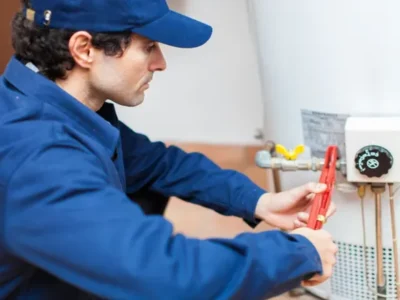
If your pump fails or if you notice water pooling in your basement despite the pump running, it is time to call a professional. A plumbing expert can inspect the unit, check the power and drainage system, and recommend repairs or replacement. They can also help install a backup pump or alarm system to alert you if the main unit fails.
In the event of water damage due to a failed sump pump, you should also contact a water damage restoration company. They can remove any standing water, dry the space properly, and prevent mold growth. Acting quickly after a failure helps minimize structural damage and keeps your home safe.
Protect Your Home From a Flooded Basement
Your sump pump is your first line of defense against basement flooding. Regular maintenance, testing, and cleaning help ensure it works when you need it most. If you neglect it, you could be left dealing with costly water damage and repairs.
By checking your sump pump every season and calling a professional if you notice problems, you can protect your home from one of the most common sources of property damage. For complete peace of mind, consider combining a well-maintained sump pump with a trusted water restoration team that can respond quickly in an emergency.







Comments