
 By
By 
India’s automotive sector navigates a complex shift from combustion engines to electric powertrains. Manufacturers, suppliers, and dealers adapt to this fundamental industry transformation examines by see more on hinduwire. This transition affects everything from manufacturing processes to workforce skills and supply chains.
Production lines in flux
Established auto manufacturers now operate hybrid production facilities where traditional and electric vehicles share assembly space. This transitional approach allows companies to scale electric production gradually while maintaining combustion vehicle output. The shared facilities create flexibility as market demand shifts between powertrain types. Physical transformation of production lines requires substantial investment. Robotic systems for battery installation replace engine mounting stations.
Quality control processes adapt to focus on electrical systems rather than mechanical components. Worker safety protocols change to address high-voltage risks absent in traditional manufacturing. For workers, this transition demands new skills and creates anxiety about job security. Assembly line staff train on high-voltage safety and electrical troubleshooting. Companies report challenges retaining skilled combustion engine specialists while recruiting electrical engineering talent. This workforce transition proves as challenging as the technical production shifts.
Supply chain realignment
- The supplier network surrounding auto manufacturing undergoes dramatic restructuring. Traditional engine components, fuel systems, and exhaust parts suppliers face declining orders. New opportunities emerge for battery components, power electronics, and thermal management systems.
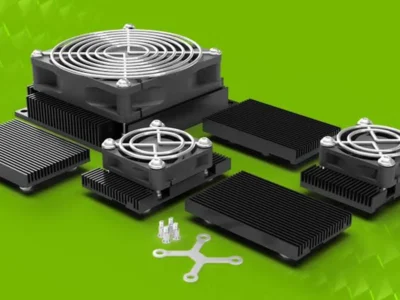
- Suppliers attempt to pivot to electric components, with mixed success. Companies that previously made fuel pumps now produce cooling systems for battery packs. Transmission manufacturers repurpose facilities to build electric drive units. These transitions require significant investment in new equipment, processes, and workforce training.
- Geographic distribution of suppliers shifts along with technological changes. Traditional auto manufacturing clusters focused on combustion engine expertise now compete with regions offering electrical engineering talent and battery production capabilities. This geographic realignment affects regional economies and employment patterns across automotive-dependent areas.
Dealership transformation
- Auto dealerships face the most visible transition challenges. Sales staff accustomed to discussing engine displacement and transmission options now explain battery capacity and charging speeds. Service departments invest in high-voltage training and specialised diagnostic equipment, while combustion engine maintenance skills gradually lose relevance.
- Customer education becomes a primary dealership function rather than an afterthought. Sales consultations now frequently explain charging options, range considerations, and operational differences from traditional vehicles. Test drives extend to demonstrate charging procedures alongside driving characteristics.
- The revenue model for dealerships also shifts fundamentally. Electric vehicles typically require less maintenance, reducing the service department’s income and traditionally generating many dealerships’ profits. Forward-thinking dealers develop new revenue streams through charging installation services, battery health monitoring plans, and software upgrade packages.
India-specific adaptation strategies
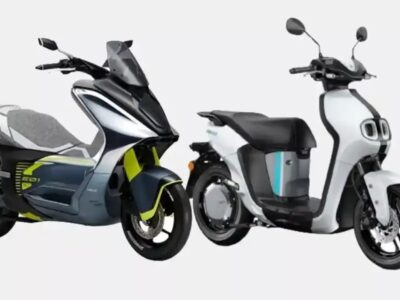
Global transition models don’t perfectly fit India’s unique automotive ecosystem. Manufacturers develop India-specific strategies acknowledging local conditions. Two-wheelers and three-wheelers lead electrification rather than passenger cars, reflecting different priorities than Western or Chinese markets. Commercial fleet transitions receive greater focus than private vehicle conversions. The transition pace varies dramatically across vehicle segments. Electric two-wheelers already achieve price parity with combustion alternatives in some categories. Commercial three-wheelers show compelling economics for fleet operators through reduced running costs. Passenger car electrification proceeds more gradually, with hybrid technologies bridging the gap during transition periods.








Comments