
 By
By 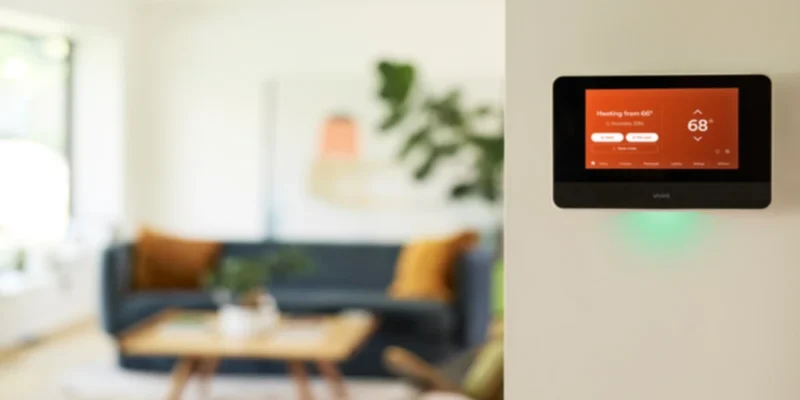
Residential electricity prices are climbing faster than inflation. The U.S. Energy Information Administration forecasts an average of 18.02 cents per kilowatt-hour in 2026, up from 17.29 cents the year before. The agency points to grid upgrades and rising data-center demand as the main drivers. That national number lands hardest in summer and early fall. CBS News reports that cooling costs are on track to hit record highs this year, with the average household expected to spend nearly $800 on electricity between June and September, up 10.5% from the same stretch last year.
Heating and cooling drive that number more than any other household system. Air conditioning alone can account for more than half of a home’s summer electricity use in warmer regions. That makes thermostat behavior the single highest-leverage place to cut costs.
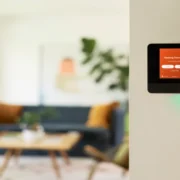
A basic or programmable thermostat does exactly what it’s told. It runs the schedule a homeowner set months ago, whether or not that schedule still matches how the house is actually used. A learning thermostat works differently. It tracks occupancy and sleep patterns and adjusts on its own, without a homeowner remembering to touch a dial.
Energy Star estimates that smart thermostats cut annual heating and cooling costs by about 8%, which works out to roughly $50 a year for the average household. Vivint’s Smart Thermostat, running its Comfort IQ feature, is built to go further than that baseline, with a $210 national average and estimated savings of up to $300 a year, drawn from an independent year-long study of 50,000 Vivint households showing roughly four times better energy performance compared to standalone programmable thermostats.
A walkthrough of the Vivint Smart Thermostat covers exactly this mechanism, from how it distinguishes itself from a schedule-based thermostat by learning occupancy in real time, to how the Energy Star baseline and Vivint’s own Comfort IQ figure compare side by side.
*Based on measured results from the Tierra Resource Consultants study. Click here for more information.
**Up to $300 in annual savings estimated for households in certain higher-demand regions. Actual savings may vary and are not guaranteed. Click here for more information.
Actual savings depend on climate, home size, and how a household already runs its HVAC system. Energy Star notes that homes with bigger temperature swings across the year generally see greater savings, while homes that are always occupied see less.
The savings case doesn’t require owning the home. A 2026 ranking of home security systems for renters lists Vivint’s equipment among the portable options, installable and removable at the end of a lease. The same auto-adjusting behavior is available to someone leasing an apartment as it is to a homeowner.
Households can’t set the price of a kilowatt-hour, but a homeowner or renter can decide what its thermostat does with the electricity it already buys.






Comments