
 By
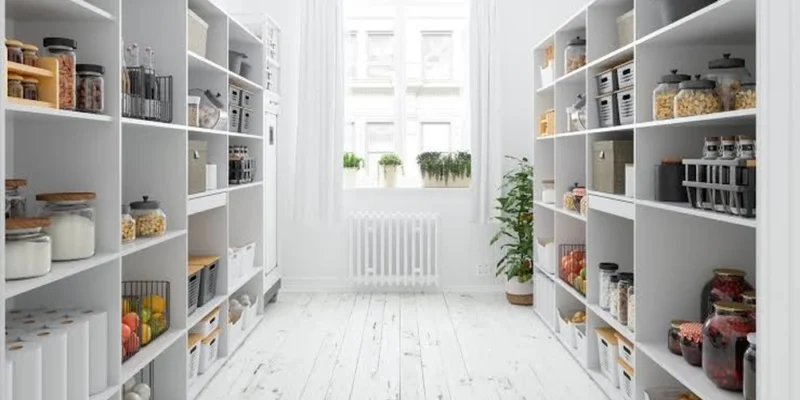
I threw out nine bottles of expired juice last spring. Not because I bought too much, but because I bought the wrong sizes for how my family actually drinks. The dollar loss stung less than the smug feeling that I had wasted a shelf I could have used for something else.
Most pantry advice tells you to stock up and rotate. That’s fine if you run a restaurant. If you cook for two or four people in a normal kitchen, the real problem is volume and cadence, not inventory count. Your shelf works best when it’s built around the drinks you finish before they turn, and for most households that means a dependable base layer plus a rotation layer you top up weekly. Because of its acid profile and pasteurization, shelf stable apple juice is one of the easiest such base layers to build around.
So here’s the plan: a juice shelf that fits in one cabinet, sizes chosen for actual drinking speed, and a simple check-in habit so you never dig out a dusty bottle again. I’ve run this setup for a year now. It’s not perfect, but I haven’t wasted a bottle since.
Why juice is the easier pantry problem to solve first
Your dry goods are forgiving. Rice sits for years, pasta ignores you for months, and canned beans practically dare you to outwait them. Juice is different. A bottle carries an open-date expectation and a domestic use clock, and once it’s open, you’re on the hook to finish it.
The key move is separating closed shelf life from open shelf life. A sealed bottle bought from a store shelf can sit quietly for a long stretch. An opened bottle in your fridge is a short term project. Build your pantry assuming that second number is the one that actually rules your purchasing. According to USDA guidance on food storage, correct storage is the single biggest factor in how long packaged foods retain quality, and juice rewards you for paying attention to it.
I learned this the hard way with a two gallon jug I couldn’t finish before it oxidized. A smaller, better-chosen size beats a bulk buy every time. Buy for how fast you drink, not for how much space you have.
A question worth asking before you buy anything
How fast does your household go through a bottle? Honestly. Mine is slow on weekdays and heavy on weekend mornings, which meant a big bottle was getting opened and forgotten. That’s the worst possible pattern. You want bottles that match your open-and-finish rhythm, so slow sippers should buy smaller and fast sippers can go bigger.
So think about two speeds. The base layer is unopened stock. The active layer is one bottle open in the fridge at a time. Never more than two, or you’ll end up with a sad row of half-finished bottles on your door shelf. If your kids hammer through juice in a day, you can break this rule. If you’d rather use juice as an occasional breakfast thing, keep the active layer to one.
I’d pick a shelf with a dozen unopened bottles max, which sounds small and feels exactly right in practice. The number of bottles isn’t the bragging right. Whether you actually finish them is.
The three layer shelf I actually use
Here’s the framework, and I’ll give it a name so you can picture it: the Base, the Bridge, and the Reach. Each layer does a different job, and once you see the three roles, stocking gets obvious.
- Base layer: unopened bottles that hold steady for months, kept whole, rotated oldest-to-front. This is your safety net for a week where you can’t shop.
- Bridge layer: one or two large bottles for weekdays, sized to finish within a week of opening.
- Reach layer: the fun stuff, a varietal you haven’t tried, a cider for a slow dinner, something a kid asks for. Cap this layer at two bottles or your shelf turns into a bottle zoo.
The Bridge layer is where most people get hit in the wallet. Size it wrong and you’re dumping half a bottle. Size it right and you’re never making a midnight run to the store because the fridge is empty.
Storage rules that actually matter
Unopened juice wants a cool, dark place. A cabinet away from the stove and the dishwasher top is fine. Heat does quiet but real damage to flavor, and sunlight is worse. So don’t park bottles next to a window because they look pretty.
Once opened, glass bottles go back in the fridge. Keep the cap on tight and use a smaller bottle if you can. Air is the enemy. The FDA’s food safety guidance backs up the household basics: keep cold food cold, watch open-date labels, and never guess about a product that’s off. A bottle that changes color or smells off is a bottle you toss, no debate.
The one storage move I wish people would stop ignoring: mark the open date on the bottle with a dry erase marker. That’s it. That one dot of ink is the whole secret of a working shelf.
Your five minute shelf reset checklist
- Empty the shelf completely. Yes, all of it.
- Group bottles by size, not brand. Sizes are what drive how fast you drink.
- Move the unopened stock to the Base layer, oldest date in front.
- Pick one bottle for the fridge. Then write the open date on it.
- Write a short shopping list on your phone, one base size, one bridge size.
Five minutes, once a season. That’s the entire maintenance load. Anyone who sells you a weekly routine for a pantry this small is overselling.
When you’re buying for a crowd or a party
A two or three bottle setup breaks down when guests show up and everyone wants a glass. In that case, go back to the bigger sizes and just accept that they’re for the event, not the week. Buy only as many as the crowd will genuinely drink, and if leftovers happen, pour them into a covered pitcher and stick them in the fridge for the next morning. Punch and spritzers from leftover juice are a smart way to use the tail end.
My own rule for parties: buy large, chill overnight, and don’t open more than two bottles at once. Guests drink slower than you think, and a calm bottle beats ten half-empty ones.
Keep it small and you’ll keep it working
The advice to build a huge stockpile is everywhere, and for most homes it’s a recipe for a wasted shelf. A pantry that actually works is a small one, sorted by drink speed, aimed at a weekly rhythm. If you can point to your Base, Bridge, and Reach layers without thinking, you’re already ahead.
Pick up one bottle this week, mark the date you open it, and see how long it takes your house to finish. That single bit of data will tell you more about your real shopping needs than any blog post ever could. If you want a starting point, look for a brand that keeps its ingredient list short and tells you the apples are grown close to home. When in doubt, just start with one bottle. Go look at your shelf right now.







Comments