
 By
https://www.yeartearm.com/
Planning for an Ageing Population: Why Personalised Home Care Is Becoming an Essential Part of Family Life
Growing older should not mean losing control over the decisions that shape everyday life. For many older adults, remaining in their own home, surrounded by familiar belongings, neighbours and treasured memories, is an important part of maintaining independence and emotional wellbeing.
However, as people’s care requirements change, families increasingly face difficult decisions about how best to provide consistent, reliable and compassionate support.
Across Hertfordshire and throughout the United Kingdom, personalised home care offers an alternative approach to meeting these changing needs, helping individuals retain their identity whilst receiving professional assistance tailored to their circumstances.
Moving Away from Reactive Care Planning
Many families only begin discussing professional care following an unexpected event, such as a hospital admission, deterioration in mobility or a sudden change in a relative’s health.
Although this is understandable, making important care decisions during a crisis can be emotionally challenging. Families may have limited time to research their options, discuss personal preferences or establish suitable long-term arrangements.
Proactive care planning allows these conversations to take place before circumstances become urgent.
By discussing future requirements earlier, older adults can express their wishes, identify the aspects of daily life they value most and contribute meaningfully to decisions about their support.
This approach also gives relatives greater confidence that future care arrangements will reflect their loved one’s preferences rather than being determined entirely by immediate circumstances.
Recognising That Care Requirements Are Rarely Static
Ageing is an individual experience. Two people of the same age may have entirely different physical abilities, emotional needs and levels of independence.
Some individuals require assistance with household tasks or shopping, whilst others need support with personal care, mobility or established daily routines.
As circumstances change, care arrangements should be capable of evolving accordingly.
For families researching 24 hour care East Hertfordshire services, understanding the flexibility of professional home care is particularly important. Depending on an individual’s assessed requirements, support may include daytime assistance, overnight care, live-in arrangements or coordinated round-the-clock support.
The appropriate arrangement should always reflect the person’s actual needs, preferences and safety requirements, rather than adopting a standardised approach.
Regular reviews can help identify emerging challenges and ensure care remains appropriate as circumstances develop.
Why Continuity Matters in Professional Home Care
One of the less frequently discussed aspects of effective care is continuity.
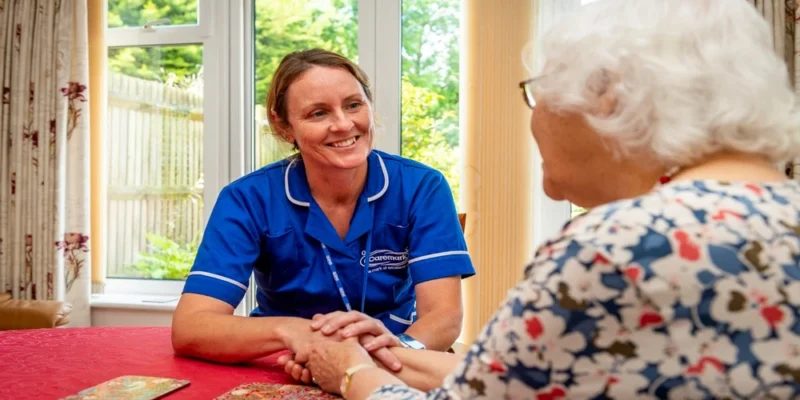
Developing trusted relationships with familiar care professionals can make a significant difference to an individual’s confidence and emotional wellbeing.
Carers who understand a person’s preferences, communication style, established routines and individual circumstances may also be better placed to recognise changes that require further attention.
Continuity can be particularly valuable for individuals experiencing memory difficulties, reduced mobility or anxiety about changes to their daily lives.
Effective communication between care professionals, relatives and relevant healthcare practitioners can further support a coordinated approach to an individual’s wellbeing.
Rather than simply completing practical tasks, personalised care should encourage meaningful relationships built upon respect, understanding and trust.
Maintaining Independence Through Supported Decision-Making
Receiving professional care should not mean surrendering personal autonomy.
An important principle of person-centred care is encouraging individuals to remain involved in decisions affecting their everyday lives, wherever possible.
This can include choosing when to get up, deciding what to eat, maintaining hobbies, continuing social activities and participating in household responsibilities.
Even relatively small decisions can contribute to a person’s sense of purpose and control.
Professional carers can provide practical assistance without unnecessarily taking over activities that individuals remain capable of completing themselves.
This balance between assistance and independence is fundamental to preserving dignity and supporting quality of life.
The Importance of Community Connections
For many older adults, their connection to the local community forms a significant part of their identity.
Maintaining relationships with neighbours, visiting familiar shops, attending community events or continuing established social activities can provide valuable opportunities for companionship and emotional fulfilment.
Families exploring Bishops Stortford homecare services may therefore wish to consider how personalised support could help their relatives maintain these important local connections.
Caremark East Hertfordshire & Broxbourne can discuss individual care requirements with families and help them explore appropriate home care arrangements.
Telephone: 01920 733 026
Email: easthertsandbroxbourne@caremark.co.uk
An initial conversation can be a helpful starting point, even when professional care is not immediately required.
Supporting the Whole Family
The responsibility of supporting an ageing relative can have a considerable emotional and practical impact on family members.
Balancing employment, parenting, household responsibilities and informal care commitments can become increasingly demanding, particularly when a loved one’s support requirements change.
Professional home care can help families share these responsibilities more sustainably.
Importantly, this may also allow relatives to spend more meaningful time together, rather than having every visit dominated by practical responsibilities.
Regular communication and clearly defined care arrangements can provide additional reassurance, helping families remain involved without feeling solely responsible for meeting every aspect of their loved one’s care needs.
Building a More Sustainable Approach to Later-Life Care
As the UK’s population ages, developing sustainable and compassionate approaches to later-life support will become increasingly important.
Technology, improved communication and flexible care arrangements can all contribute to this development. However, the human elements of care – empathy, dignity, companionship and respect – must remain central.
Families should feel empowered to explore their options, ask questions and consider arrangements that reflect their loved one’s individual circumstances.
Planning ahead does not mean assuming that independence will inevitably decline. Instead, it means creating opportunities for older adults to retain greater control over how they receive support if their needs change.
Ultimately, effective home care is about much more than meeting practical requirements. It is about enabling people to continue living meaningful lives, maintaining valued relationships and feeling comfortable within the place they call home.










Comments