
 By
By 
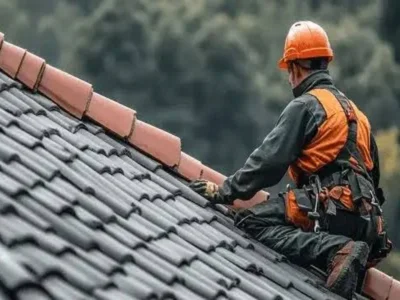
When protecting your home from the elements, the roof plays a critical role as the first line of defence. Yet, many homeowners underestimate how vulnerable their roofs are to water damage, especially during heavy rains or monsoon seasons. Over time, even the sturdiest roofing materials can deteriorate, allowing moisture to seep in and cause costly structural problems.
That is where roof coating steps in as a powerful preventative measure. A high-quality roof coat acts as a protective barrier, extending the life of your roof and shielding your home from the devastating effects of water damage. Understanding roof coating is a great place to start if you’re exploring waterproofing solutions to protect your property.
What is Waterproofing?
Waterproofing is the process of making a structure resistant to the infiltration of water. It involves applying materials or systems designed to create an impermeable barrier over moisture-containing surfaces. This ensures that water cannot penetrate walls, roofs, foundations, or other parts of a building, preventing deterioration caused by humidity, leaks, and seepage.
In roofing, waterproofing typically involves the application of a protective layer over the roof surface. Roof coats are one of the most effective waterproofing solutions available. These coatings are designed to seal cracks, fill pores, and provide a continuous, seamless barrier that repels water and reflects sunlight. Unlike temporary fixes, a proper waterproofing treatment offers long-term protection and adds resilience to your home.
Why is Waterproofing Important?
Water damage is often silent but severe. A small leak may seem harmless at first, but over time, it can lead to mould growth, weakened structural components, stained ceilings, peeling paint, and even electrical hazards. These issues not only impact the appearance of your home but can also lead to serious health risks and costly repairs.
Roof waterproofing plays a vital role in avoiding these problems. Here’s why it matters:
- Prevents Structural Decay: Constant exposure to moisture can weaken wooden beams, corrode metal elements, and degrade concrete over time.
- Enhances Roof Longevity: By protecting against water penetration and UV rays, a roof coat can significantly increase the lifespan of your roofing system.
- Improves Energy Efficiency: Certain roof coverings are made to reflect sunlight, which lowers interior temperatures by reducing heat absorption. In warmer weather, this might reduce cooling expenses.
- Minimises Maintenance Costs: Waterproofing solutions help reduce the need for frequent roof repairs, offering better peace of mind and long-term savings.
In essence, waterproofing is not just a protective measure—it’s a smart investment in the durability and safety of your home.
Types of Waterproofing
There are several types of waterproofing methods used in construction, each with its specific applications and benefits. When it comes to roofing, the following are the most commonly used techniques:
1. Liquid Waterproofing Membrane:
This method involves applying a liquid layer that dries to form a flexible, waterproof film. Roof coats typically fall under this category. These coatings can be applied with brushes, rollers, or sprays, and are suitable for flat and sloped roofs alike. Once cured, they create a seamless, crack-resistant barrier that protects the surface beneath from water and UV damage.
2. Bituminous Waterproofing:
Often used for flat roofs, this method involves sheets or emulsions of bitumen that provide excellent water resistance. While durable, it is more rigid compared to liquid membranes and may require professional installation.
3. Cementitious Waterproofing:
Ideal for internal areas such as bathrooms or basements, this method involves using a cement-based compound to create a moisture-resistant layer. While effective in certain applications, it lacks the flexibility required for exterior surfaces like roofs.
4. Polyurethane Waterproofing:
A more advanced option, polyurethane coatings are known for their elasticity and high resistance to weather extremes. These are often used for complex roof structures where flexibility and durability are crucial.
Among these, liquid membrane-based roof coatings are considered the most adaptable and convenient waterproofing solutions for residential roofing. They offer ease of application, a wide range of surface compatibility, and strong long-term performance.
Conclusion
Protecting your home from water damage is not just about fixing leaks after they occur—it’s about preventing them in the first place. Roof coat applications offer a practical and effective way to shield your home from the destructive impact of water and environmental exposure. Investing in reliable waterproofing solutions, particularly for your roof, enhances your property’s structural integrity and contributes to its energy efficiency, longevity, and overall value.
So, if you’ve been noticing signs of wear on your roof or simply want to safeguard your home before the next rainy season, now is the perfect time to consider a roof coat. Prevention is always more cost-effective than repair, and with the right waterproofing treatment, your home will stay protected, comfortable, and resilient for years to come.





Comments